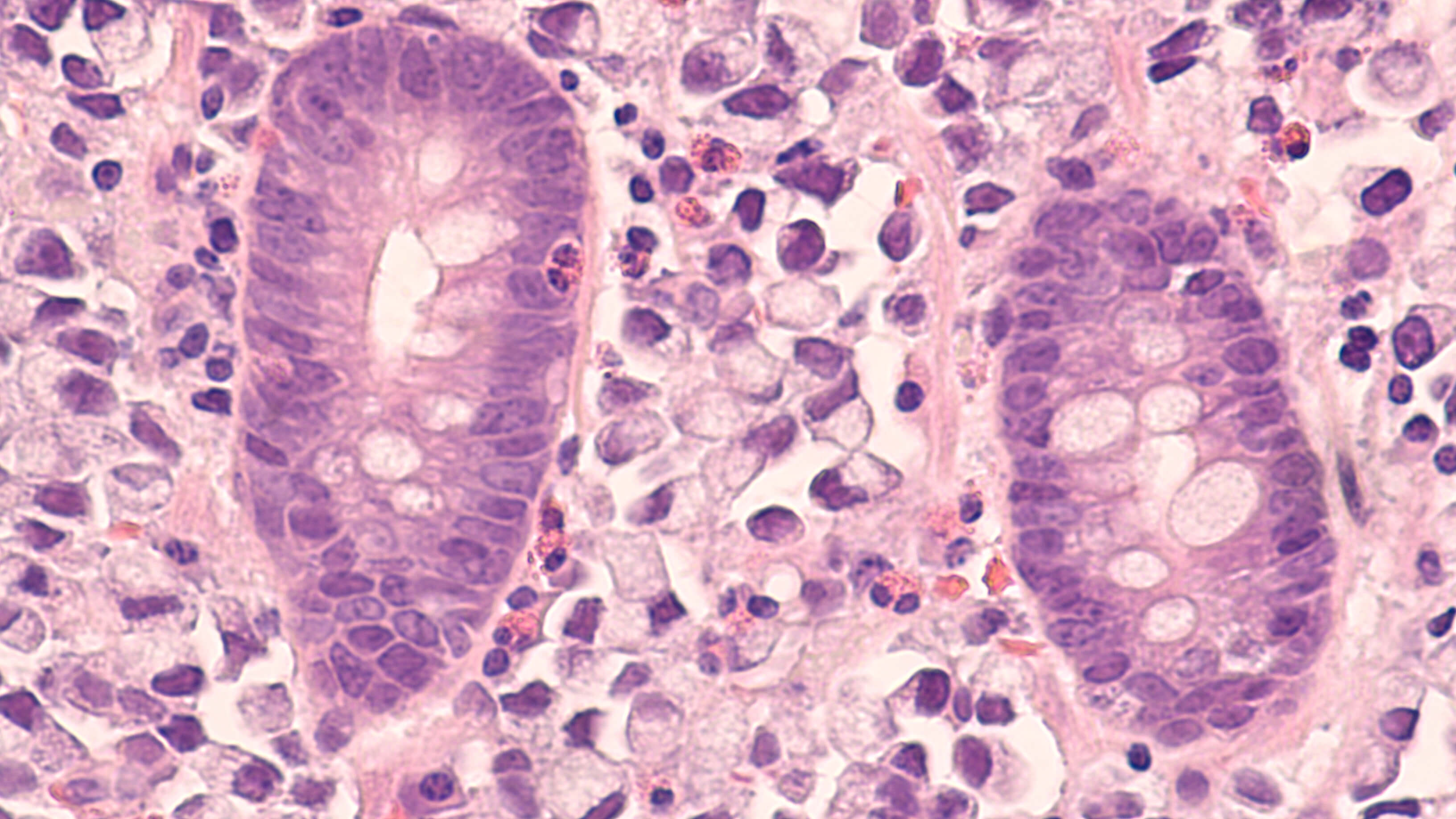
Immunohistochemistry (IHC) has become an indispensable technique in modern pathology and biomedical research. It enables laboratories to detect and visualize specific proteins within tissue samples, providing critical information for disease diagnosis, treatment planning, and scientific investigations. However, the reliability of IHC results depends on more than just high-quality antibodies and advanced staining equipment. One of the most important elements in ensuring accurate and reproducible outcomes is the use of appropriate IHC controls.
IHC controls serve as quality assurance tools that verify whether every stage of the staining process is functioning correctly. They help laboratories maintain consistency, minimize technical errors, and support compliance with quality management standards. By incorporating well-designed controls into routine workflows, laboratories can significantly improve the accuracy and credibility of their diagnostic and research findings.
Understanding IHC Controls
IHC controls are reference samples included alongside patient or research specimens during immunohistochemical staining. Their primary purpose is to confirm that the staining procedure is performing as expected and that the results can be interpreted with confidence.
There are several common types of IHC controls:
- Positive controls contain tissues known to express the target antigen. These controls verify that the antibody and staining protocol are capable of detecting the intended protein.
- Negative controls lack the target antigen or omit the primary antibody, ensuring that any observed staining is not caused by non-specific antibody binding or background reactions.
- Internal controls are naturally occurring structures within the test tissue that consistently express the antigen, providing an additional reference for staining quality.
Using all three types of controls creates a comprehensive quality assessment system for every staining run.
The Role of IHC Controls in Laboratory Quality Management
Quality management in the laboratory focuses on producing accurate, reliable, and reproducible results while reducing the likelihood of errors. IHC controls play a central role in achieving these objectives by monitoring each step of the testing process.
From tissue fixation and antigen retrieval to antibody incubation and visualization, multiple factors can influence staining quality. Even small variations in reagent preparation, incubation times, or instrument performance can affect the final results. Proper controls quickly reveal these issues, allowing laboratory personnel to identify and correct problems before diagnostic reports are issued.
This systematic approach strengthens overall laboratory performance and enhances confidence in test results.
Supporting Accurate Diagnostic Decisions
Many diseases, including various cancers, require IHC testing for accurate diagnosis and treatment selection. Biomarkers detected through immunohistochemistry often determine tumor classification, prognosis, and eligibility for targeted therapies.
Reliable IHC controls help ensure that these clinically important biomarkers are detected correctly. A strong positive control confirms that the staining procedure worked properly, while a clean negative control demonstrates that observed staining is specific to the target antigen.
Without effective controls, laboratories risk generating false-positive or false-negative results that could lead to inappropriate clinical decisions.
Improving Reproducibility and Consistency
Consistency is one of the key goals of any quality management program. Laboratories must be able to reproduce the same staining patterns regardless of when the test is performed or who performs it.
IHC controls provide standardized reference points that allow laboratories to compare staining performance across different batches, instruments, and technicians. If unexpected variations occur, controls help determine whether the issue is related to reagents, equipment, or procedural differences.
Maintaining reproducibility is particularly important for laboratories participating in multicenter clinical trials or collaborative research projects where standardized results are essential.
Assisting in Troubleshooting
Even experienced laboratories occasionally encounter staining problems such as weak signals, excessive background staining, or uneven tissue labeling. IHC controls are valuable troubleshooting tools because they help isolate the source of these issues.
For example:
- Weak staining in both the test sample and positive control may indicate antibody degradation or inadequate antigen retrieval.
- Positive staining in a negative control may suggest contamination or non-specific antibody binding.
- Differences between internal perfusion fixation vs immersion fixation for immunohistochemistry pros cons and expected staining patterns may reveal tissue processing problems.
By identifying technical errors early, laboratories can implement corrective actions promptly and avoid repeating costly experiments.
Supporting Accreditation and Regulatory Compliance
Clinical laboratories are expected to follow strict quality assurance guidelines established by accreditation organizations and regulatory authorities. These standards emphasize routine quality control, method validation, documentation, and ongoing performance monitoring.
Proper use of IHC controls demonstrates that the laboratory is committed to maintaining high-quality testing practices. Documented control results also provide evidence that each staining run met established acceptance criteria before patient results were released.
This documentation is valuable during internal audits, external inspections, and accreditation assessments.
Enhancing Staff Training and Competency
Quality laboratory management also depends on well-trained personnel. IHC controls provide excellent educational resources for training new technologists and evaluating staff competency.
By comparing staining outcomes against established control tissues, laboratory professionals learn to recognize acceptable staining patterns, identify technical problems, and interpret results accurately. Regular competency assessments using standardized controls contribute to continuous professional development and consistent laboratory performance.
Best Practices for Effective Use of IHC Controls
To maximize the benefits of IHC controls, laboratories should adopt several best practices:
- Select control tissues with well-characterized antigen expression.
- Process control samples under the same conditions as patient specimens.
- Validate all new antibodies using appropriate positive and negative controls.
- Monitor control performance over time to detect gradual changes in staining quality.
- Maintain detailed documentation for every staining run.
- Review control results before interpreting clinical specimens.
- Replace outdated or deteriorated control materials when necessary.
These practices strengthen quality management systems and improve long-term laboratory reliability.
Conclusion
IHC controls are essential components of enhanced laboratory quality management. They ensure accurate staining, improve reproducibility, support diagnostic confidence, simplify troubleshooting, and help laboratories meet regulatory and accreditation requirements. By integrating positive, negative, and internal controls into every immunohistochemistry workflow, laboratories can maintain high standards of performance while delivering reliable and clinically meaningful results. As diagnostic technologies continue to evolve, effective use of IHC controls will remain fundamental to achieving excellence in pathology, research, and patient care.