
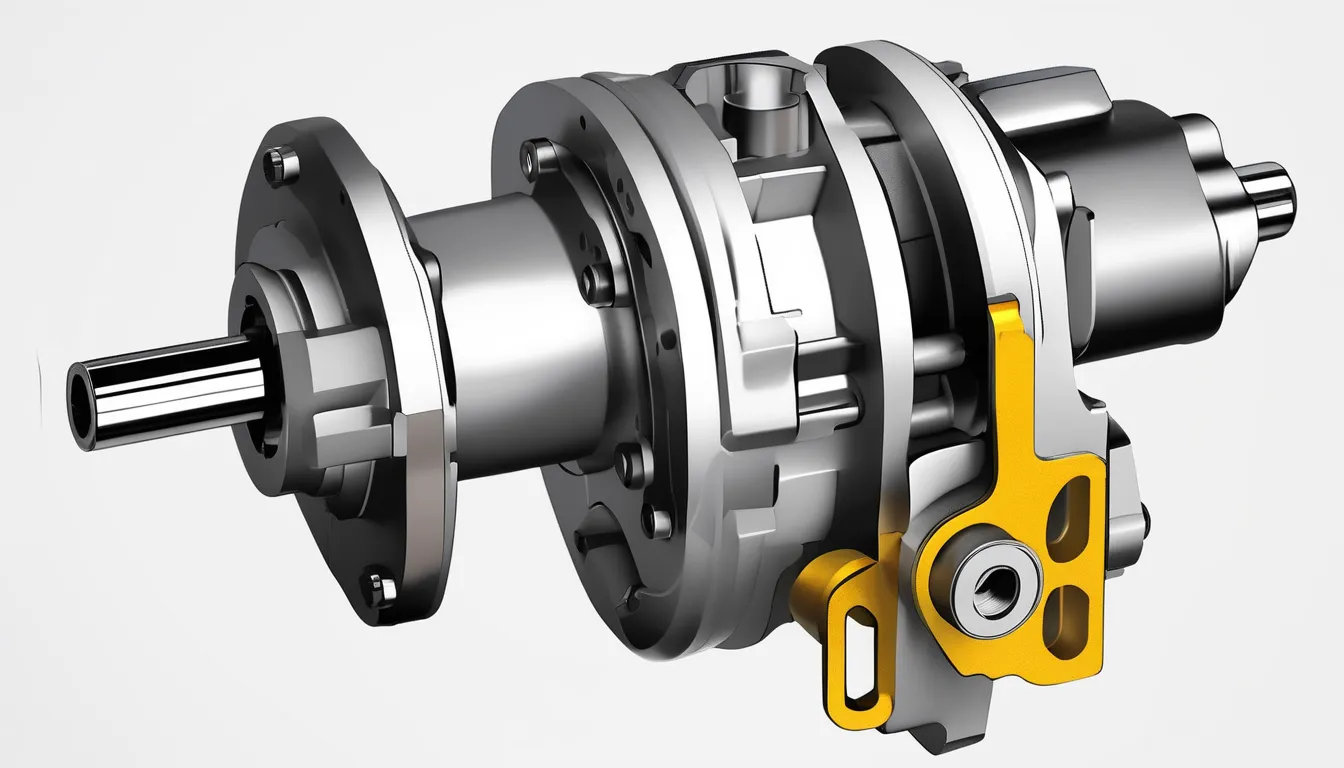
When you’re looking to optimize fluid transfer in your operations, understanding gear pumps can be a game changer. These devices are designed to handle a variety of fluids efficiently, thanks to their unique interlocking gear mechanism. As you explore their advantages and applications, you might find that selecting the right gear pump is more complex than it seems. What factors should you consider to ensure peak performance? Unpacking these crucial elements could significantly impact your fluid management strategy.
What Are Gear Pumps?
Understanding the mechanism of gear pumps reveals their efficiency in fluid transfer. Gear pumps are positive displacement devices that move fluids by using the meshing of gears. These pumps consist of two or more gears that rotate within a casing, creating a vacuum that draws fluid into the pump.
As the gears turn, they trap the fluid between their teeth and the casing, pushing it toward the discharge side.
You’ll find gear pumps in various applications, from industrial machinery to automotive systems. They’re particularly effective for transferring high-viscosity fluids, making them a popular choice in the oil and paint industries.
Their simple design allows for easy maintenance and a long operational life.
Another advantage of gear pumps is their ability to provide a consistent flow rate, regardless of pressure changes, which makes them reliable and predictable in performance.
You can count on them for a smooth operation, minimizing pulsation and ensuring efficient fluid transfer.
How Gear Pumps Work
Gear pumps operate on the principle of positive displacement, utilizing the interlocking action of پمپ دنده ای s to move fluid efficiently. As you engage the pump, the rotation of the gears creates a vacuum that draws fluid into the pump’s inlet. This process initiates the flow, ensuring that the fluid fills the spaces between the gear teeth.
Once the gears continue to rotate, they push the fluid through the discharge port. The design of the pump ensures that the fluid is moved consistently, with minimal pulsation. The specific arrangement of the gears—either in a spur, helical, or bevel configuration—determines how effectively the pump can handle different types of fluids and pressures.
It’s crucial to keep in mind that the flow rate of a gear pump is directly proportional to the speed of the gears and the size of the gear teeth. Therefore, if you need to adjust the flow, you can simply change the pump’s speed or choose a pump with different gear dimensions.
This straightforward mechanism makes gear pumps a reliable choice for various applications, from hydraulic systems to chemical processing, providing you with efficient fluid transfer every time.
Advantages of Gear Pumps
When you weigh the options for fluid transfer, gear pumps stand out for several compelling reasons. First, their simple design ensures reliability and low maintenance, which means you can count on them for consistent performance. They can handle a wide range of viscosities, making them versatile for various applications.
Another significant advantage is their efficiency. Gear pumps provide a steady flow rate, which helps you optimize your processes and minimize energy consumption. Additionally, their compact size allows for easy installation in tight spaces, giving you flexibility in your setup.
Here’s a quick overview of some key advantages:
| Advantage | Description | Impact |
|---|---|---|
| Reliability | Fewer moving parts reduce failure risks | Lower maintenance costs |
| Versatility | Handles various fluid types | Broad application range |
| Efficiency | Consistent flow rate | Energy savings and performance |
Applications of Gear Pumps
Often found in a variety of industries, gear pumps excel in applications that require efficient fluid transfer. These pumps are commonly used in the automotive sector for transferring engine oil, hydraulic fluids, and fuel, ensuring smooth operations and optimal performance.
In the food and beverage industry, you’ll notice gear pumps playing a vital role in moving viscous liquids like oils, syrups, and sauces, providing consistent flow rates while maintaining product integrity.
In chemical processing, gear pumps are key for transferring corrosive and abrasive materials, thanks to their robust construction and ability to handle high pressures. You’ll find them essential in the pharmaceutical sector as well, where precise fluid handling is critical for maintaining strict quality standards.
Additionally, gear pumps are widely utilized in construction equipment, where they help in the transfer of hydraulic fluids and fuel. Their versatility extends to the oil and gas industry, where they facilitate the movement of crude oil and other petroleum products.
No matter the application, gear pumps are your go-to solution for reliable and efficient fluid transfer across various industries.
Selecting the Right Gear Pump
Choosing the right gear pump for your application requires careful consideration of several factors.
First, think about the type of fluid you’ll be transferring. Viscosity plays a crucial role; ensure the pump you select can handle the thickness of your fluid. If you’re dealing with high-viscosity materials, look for a gear pump designed specifically for that purpose.
Next, consider the flow rate you need. Calculate the required flow rate based on your system’s demands, as different gear pumps have varying capacities. Make sure the pump you choose can meet or exceed this requirement without causing pressure drops.
Another important factor is the pressure rating. Ensure the pump can handle the maximum pressure your application will encounter.
Additionally, assess the materials used in the pump’s construction. Make sure they’re compatible with the fluid to prevent corrosion or degradation.
Lastly, think about maintenance and serviceability. Choose a gear pump that’s easy to maintain, as this will save you time and money in the long run.
Conclusion
In summary, gear pumps are vital for efficient fluid transfer across various industries. Their reliable design and low maintenance needs make them perfect for high-viscosity applications. By understanding how they work and their advantages, you can confidently select the right gear pump for your specific needs. Whether you’re in automotive, food, chemical, or pharmaceutical sectors, choosing the right gear pump will enhance your operations and ensure optimal performance. So, gear up and make the best choice for your fluid handling!


