
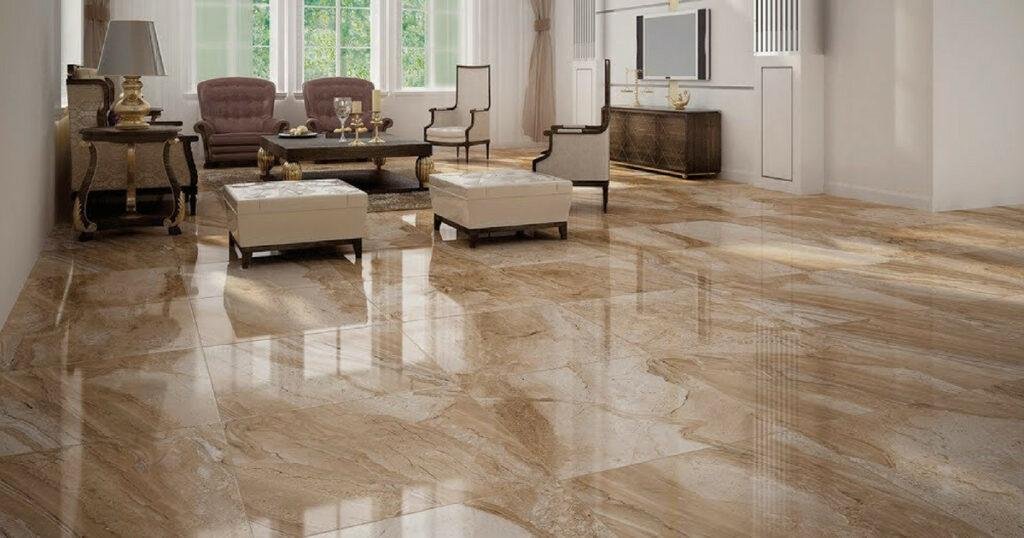
In contemporary interior design, tiles have transcended their traditional role as mere functional surfaces and have emerged as critical elements that define a home’s aesthetic appeal. Modern tile designs are no longer confined to utilitarian purposes; they are now at the forefront of creating striking visual statements, blending artistry, technology, and durability. From sleek minimalism to bold geometric patterns, modern tiles offer homeowners and designers unprecedented versatility in redefining spaces.
The Evolution of Tile Design
Historically, tiles were valued primarily for their durability and ease of maintenance. Stone, ceramic, and terracotta tiles dominated homes for centuries, serving as practical surfaces resistant to wear and tear. However, the modern era has ushered in technological innovations that allow for highly customizable tiles in a wide range of materials, finishes, and textures. Today, designers can create tiles that emulate natural stone, wood, or even metals while maintaining the strength and easy maintenance of ceramics or porcelain.
This evolution has expanded the role of tiles from simple flooring and wall coverings to design elements that shape the overall aesthetic of a home. Modern tiles are now integral to defining the mood, style, and personality of interior spaces.
Materials and Technologies Shaping Modern Tile Design
One of the key drivers of modern tile aesthetics is innovation in materials and manufacturing processes. High-quality porcelain, for example, allows for ultra-thin yet durable tiles that can be applied to floors, walls, countertops, and even ceilings. Porcelain’s versatility makes it ideal for both indoor and outdoor applications, creating a seamless flow between spaces.
Meanwhile, digital printing technology has revolutionized tile design. Designers can now produce tiles with highly detailed patterns, intricate textures, and realistic reproductions of natural materials. Wood-look tiles, marble-effect porcelain, and even metallic-finish tiles are now common features in modern homes, providing the elegance of natural materials without the associated maintenance challenges.
Another notable advancement is in large-format tiles. Tiles exceeding three feet in length can create uninterrupted surfaces with minimal grout lines, resulting in cleaner, more expansive aesthetics. These large tiles are perfect for modern open-plan spaces, making rooms feel larger and more cohesive.
Color and Pattern Trends in Modern Tiles
Color palettes in modern tile design have shifted to embrace both bold contrasts and subtle harmonies. Neutrals remain a favorite for creating calming, minimalist environments, while deep blues, greens, and charcoals inject personality into modern interiors. High-contrast black-and-white tiles are also experiencing a resurgence, particularly in kitchens and bathrooms, offering a striking, graphic aesthetic.
Patterns are equally influential in shaping home aesthetics. Geometric patterns, herringbone layouts, and mosaic tiles can transform walls and floors into dynamic visual statements. Hexagonal and octagonal tiles, for instance, offer contemporary alternatives to traditional square tiles, adding depth and interest to otherwise understated spaces. Additionally, three-dimensional tiles create texture and shadow effects, making walls and surfaces feel alive with subtle movement.
Modern Tiles in Key Home Spaces
1. Kitchens
Kitchens are no longer just functional spaces; they are central to modern living and entertaining. Tile designs play a pivotal role in this transformation. Sleek subway tiles with glossy finishes can create timeless backdrops, while patterned tiles or bold colors can serve as statement backsplashes. Porcelain tiles that mimic natural stone or marble bring luxury into the kitchen without the cost or maintenance of authentic materials. Flooring tiles with anti-slip surfaces also add safety without compromising style.
2. Bathrooms
Bathrooms have become sanctuaries in modern homes, blending comfort and design. modern tile enable the creation of spa-like environments through large-format tiles, neutral tones, and textural contrasts. Matte-finish tiles evoke calm, while glossy surfaces add light and reflectivity. Mosaic tiles continue to be popular for shower niches or accent walls, allowing for intricate design elements in small spaces.
3. Living and Dining Areas
In living spaces, modern tiles can function as art in themselves. Patterned tiles, geometric designs, or natural stone-look tiles create visual focal points. Large-format porcelain tiles enhance the feeling of openness, while polished tiles can amplify natural light, making rooms feel bright and airy. Fireplaces and feature walls also benefit from the textural and color variations available in modern tile collections.
4. Outdoor Spaces
The durability of modern tiles makes them ideal for patios, balconies, and garden pathways. Porcelain and stone-effect tiles are resistant to weather and staining, ensuring longevity without sacrificing aesthetic appeal. Wood-look tiles provide the warmth of timber while remaining maintenance-free, blending indoor and outdoor spaces seamlessly. Outdoor tiles with textured surfaces enhance safety while adding tactile appeal.
Sustainability in Modern Tile Design
An essential trend in modern tile design is sustainability. Many manufacturers now produce tiles using recycled materials, water-saving processes, and low-emission manufacturing techniques. Eco-friendly tiles offer homeowners the ability to create stylish interiors while reducing their environmental footprint. Moreover, the longevity and durability of high-quality tiles contribute to sustainable living by minimizing the need for frequent replacements.
Integrating Tiles with Other Design Elements
Modern tiles are most effective when harmonized with other interior elements. Pairing tile surfaces with contemporary furniture, lighting, and decorative accessories enhances cohesion in a space. Metallic or glass tiles can complement sleek metal fixtures, while natural stone tiles pair beautifully with wooden accents and greenery. The key is balance—tiles should complement rather than overwhelm the overall design, creating spaces that feel both intentional and inviting.
Personalization and Customization
Perhaps the most exciting aspect of modern tile design is the ability to personalize spaces. Custom tiles allow homeowners to imprint their style and creativity onto their living areas. From bespoke patterns to unique color combinations, modern tiles provide endless opportunities to express individuality. Whether it’s a feature wall with a hand-painted mural or a bathroom floor in a playful geometric layout, tiles can become personal statements that elevate the home’s character.
Conclusion
Modern tile designs have truly redefined home aesthetics. They are no longer just functional surfaces but essential elements in shaping interior style, mood, and personality. Innovations in materials, printing technology, and large-format designs allow for limitless creativity, while patterns, textures, and colors enable unique, personalized spaces. Whether used in kitchens, bathrooms, living areas, or outdoor spaces, modern tiles offer homeowners and designers the tools to transform ordinary rooms into extraordinary environments.
By embracing modern tile trends, homeowners can achieve interiors that are not only visually stunning but also practical and durable. From minimalistic elegance to bold, artistic expressions, the right tile design can redefine a home’s aesthetic, turning it into a reflection of style, comfort, and modern living.
