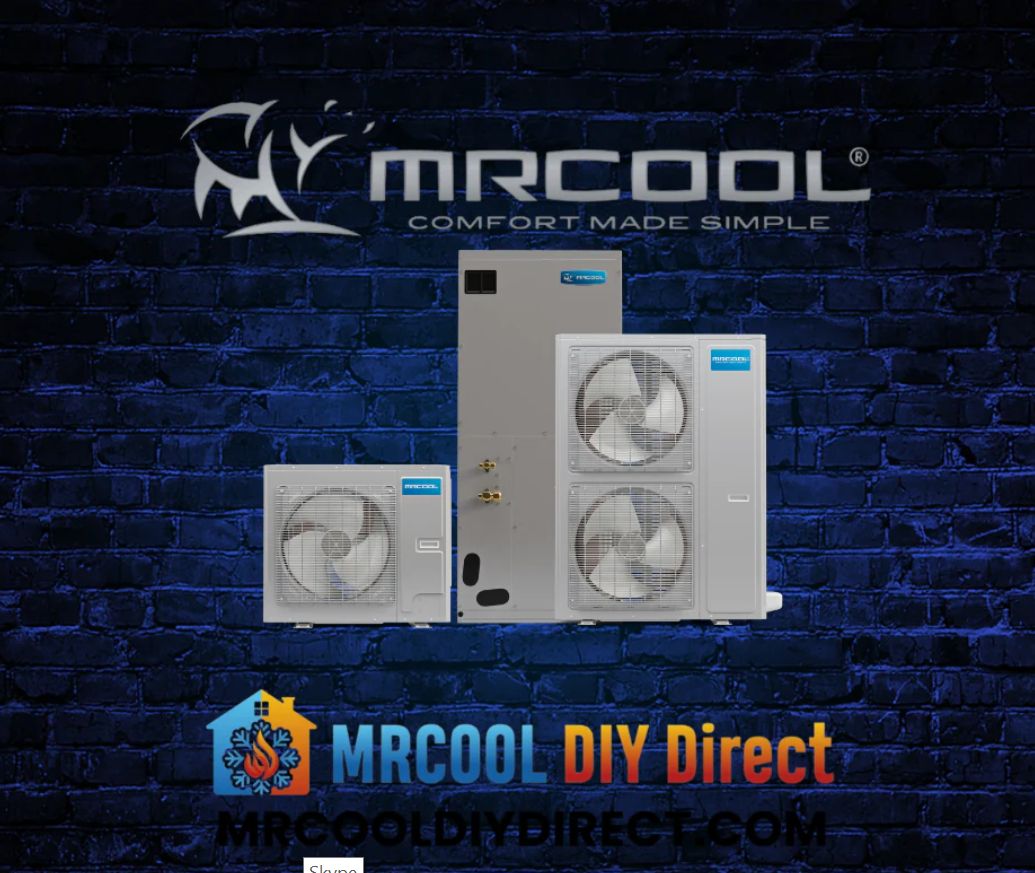
DIY Mini Split AC – Perfect for Homeowners & Renters MRCOOL Heat Pump.
When it comes to achieving the perfect temperature at home, there’s no one-size-fits-all solution. Homeowners and renters alike know the struggle of finding an affordable and efficient way to cool (or heat) their spaces. Traditional HVAC systems can be expensive to install and maintain, and for renters, installing a full system may be out of the question. That’s where the DIY Mini Split AC comes in, offering an affordable, versatile, and easy-to-install option that’s perfect for both homeowners and renters.
Whether you’re looking to keep your home cool during the scorching summer months or need a reliable heat source in the winter, the DIY Mini Split AC system is the ultimate solution. It’s designed to provide powerful, year-round comfort with minimal effort and cost. In this article, we’ll explore how this simple yet effective system is the perfect choice for anyone looking to optimize their living space—without the hefty price tag or complex installation process.
What Is a DIY Mini Split AC?
A DIY Mini Split AC is a ductless air conditioning and heating system that includes an indoor unit and an outdoor compressor, connected by pre-charged refrigerant lines. What sets it apart from traditional HVAC systems is that it’s designed for easy installation—DIY installation, meaning you can set it up without needing professional help.
Unlike central air systems, which require extensive ductwork, mini splits are compact and can be installed in almost any room or space. The indoor unit is mounted on the wall, providing efficient air distribution, while the outdoor unit is placed outside the home, ensuring your space stays cool or warm without the hassle of large, clunky systems.
What makes this system especially attractive for renters and homeowners is the flexibility it provides. No complex renovations or costly contractors are required, and you can even take the system with you if you decide to move.
Simple Installation, Big Savings
One of the primary reasons the DIY Mini Split AC has gained popularity is the easy installation process. Traditionally, installing an air conditioning system meant high labor costs and a complicated setup, especially for central air systems that require extensive ductwork. With the DIY Mini Split, homeowners and renters can save hundreds (even thousands) of dollars by installing it themselves.
The system comes pre-charged with refrigerant, so all you need to do is:
-
Mount the indoor unit on the wall.
-
Drill a small hole for the refrigerant line to connect the indoor and outdoor units.
-
Connect the refrigerant lines and plug everything in.
The entire installation process is typically straightforward and can be completed within a few hours. Most DIY Mini Split systems come with clear instructions and even video tutorials to guide you every step of the way. If you can follow basic instructions and use simple tools, you’re all set to get your system up and running without the need for an expensive professional.
For renters, this is especially beneficial. Many rental agreements don’t allow significant alterations to the property, but installing a mini split system is minimal and often doesn’t require any permanent changes to the home. Plus, if you decide to move, you can easily take the system with you.
Year-Round Comfort – Cooling & Heating in One
Whether you’re trying to escape the sweltering summer heat or warm up during the winter chill, the DIY Mini Split AC provides all-in-one cooling and heating. It comes with a heat pump feature, meaning it can reverse the refrigerant flow to provide both cooling and heating capabilities. This makes it a year-round solution, perfect for climates with varying temperatures.
In summer, the cooling function helps you maintain a comfortable temperature in your space without the humidity or excessive heat. In the winter, the heat pump kicks in, providing an energy-efficient way to keep your room warm without having to rely on space heaters or baseboard heating, which can be costly to operate.
Thanks to the advanced inverter technology in many DIY Mini Split systems, the unit adjusts its power based on the temperature in the room. This means the system doesn’t need to constantly turn on and off, resulting in less energy consumption and lower utility bills. Whether you’re cooling or heating your space, you’ll notice a difference in both your comfort level and your energy costs.
Space-Saving Design
The DIY Mini Split AC is designed with space-saving in mind, making it perfect for both homeowners and renters who may not have the luxury of extra room for bulky systems. The indoor unit is sleek and compact, mounting directly on the wall and taking up very little space. This allows you to enjoy a comfortable living environment without losing valuable square footage.
For renters, this compact design is especially ideal if you’re living in an apartment, condo, or even a tiny house. You don’t have to sacrifice precious space to have an effective heating and cooling system. Plus, the system is quiet, which is an added bonus if you’re living in close quarters with neighbors.
For homeowners, the flexibility to install the system in any room means you can optimize your comfort in specific spaces, such as bedrooms, living rooms, basements, or home offices—without the need to install ductwork or overhaul the entire house.
Flexibility for Any Space – Multi-Zone Options
One of the best things about the DIY Mini Split is its flexibility. These systems can be used in virtually any space, whether it’s a single room or multiple rooms. For homeowners with large homes, you can install multiple indoor units connected to a single outdoor unit, creating a multi-zone system. This allows you to control the temperature in different areas of your home independently, giving you ultimate control over your comfort and energy usage.
For renters, a multi-zone system is also a fantastic solution if you’re looking to cool or heat individual rooms without affecting the whole apartment or house. The ability to control each unit separately ensures you’re not wasting energy in areas that don’t need cooling or heating.
Environmentally Friendly & Efficient
If you’re concerned about your environmental impact, a DIY Mini Split AC is a great choice. These systems use energy-efficient inverter technology and don’t rely on ductwork, which means less energy is wasted compared to traditional HVAC systems. Many models also come with advanced filtration systems that improve indoor air quality by removing dust, allergens, and other particles from the air, making it especially helpful for people with allergies or asthma.
Why It’s Perfect for Renters
Renters often face challenges when it comes to installing HVAC systems. Many rental agreements prohibit installing permanent fixtures or making significant changes to the property. The DIY Mini Split system offers a perfect solution because it doesn’t require the installation of ducts or major modifications. Plus, it’s portable! If you decide to move to a new place, you can take the unit with you and install it in your new home.
Conclusion: The Ultimate HVAC Solution
The DIY Mini Split AC is the perfect HVAC solution for both homeowners and renters who want an affordable, easy, and efficient way to keep their homes comfortable year-round. With easy installation, energy efficiency, and a flexible design, it’s a smart investment for anyone looking to stay cool in the summer and warm in the winter without the high costs of traditional HVAC systems.
Whether you’re living in a small apartment or a spacious home, the DIY Mini Split AC offers the versatility, affordability, and convenience you need. Say goodbye to high utility bills, noisy air conditioners, and complicated installations—this system is designed to provide you with all the comfort you need, with none of the hassle. So why wait? Get your DIY Mini Split AC today and enjoy the perfect climate at home—on your terms!