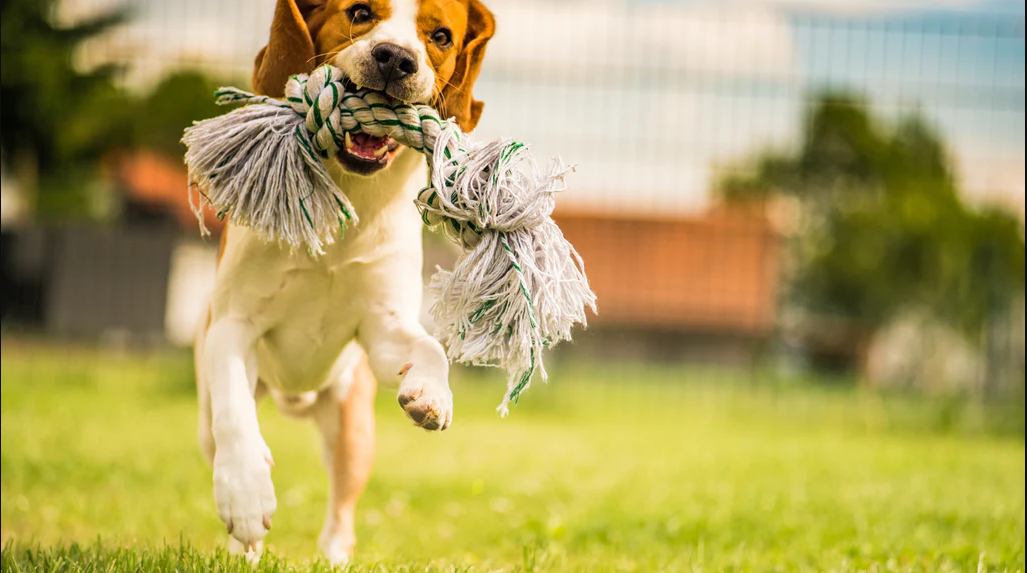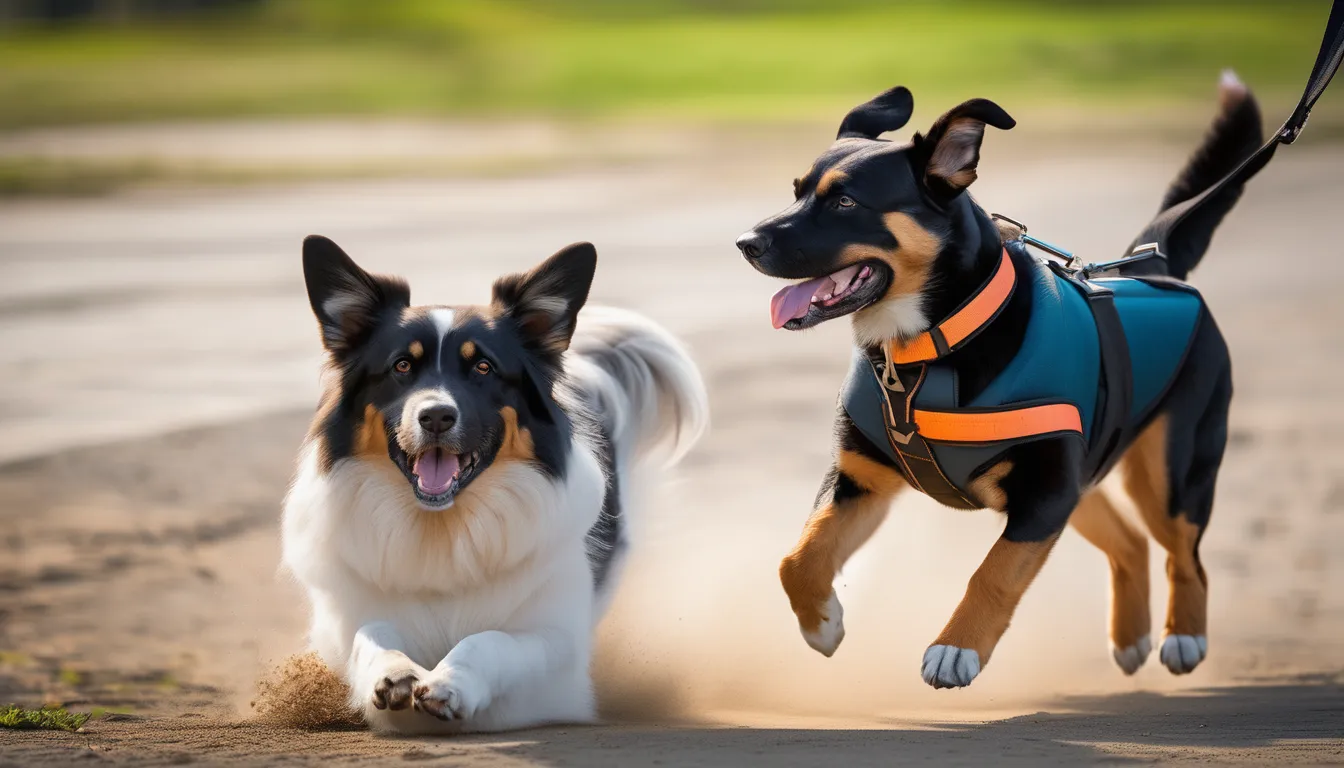
If you’re considering expert training for your dog in Southern Utah, you’ve likely heard about the benefits of off-leash and obedience programs. These sessions not only teach essential commands but also strengthen the bond you share with your pet. With a variety of options available, it’s crucial to choose the right one that fits your needs. As you explore what’s offered, you might find yourself wondering about the transformations other local owners have experienced. What key elements contribute to their success, and how can you achieve similar results?
Benefits of Off-Leash Training
One of the key benefits of off-leash training is the freedom it offers your dog. When your pup can roam without a leash, they enjoy a sense of independence that enhances their overall happiness. This freedom allows them to explore their environment, engage with other dogs, and express their natural instincts, all of which contribute to their mental and physical well-being.
Moreover, off-leash training strengthens the bond between you and your dog. As they learn to respond to your commands without the constraint of a leash, trust builds. You’re not just a handler; you become a partner in their adventures. The more you practice, the more confidence they gain, leading to a more fulfilling relationship.
Additionally, off-leash training can improve your dog’s social skills. It gives them the opportunity to interact with other dogs and people in a controlled manner, reducing the likelihood of behavioral issues. This socialization is crucial for their development and helps them become well-rounded companions.
Ultimately, embracing off-leash training can transform your dog’s life, making them happier and more confident while enhancing your connection. It’s a rewarding journey that both you and your dog will cherish.
Key Obedience Commands
When you’re training your dog, mastering key obedience commands is essential for ensuring their safety and enhancing your relationship. Start with basic commands like “sit,” “stay,” and “come.” These commands form the foundation of good behavior, making it easier for you to communicate effectively with your dog.
Begin with “sit.” Hold a treat above your dog’s nose and move it back over their head. As their head follows the treat, their bottom will naturally lower. Once they’re sitting, reward them immediately.
Next, teach “stay” by asking your dog to sit and then stepping back. If they stay in position, reward them. Gradually increase the distance and duration.
The “come” command is crucial for safety. Start indoors, using a cheerful tone and a treat. Say “come” while gently pulling on their leash. When they come to you, praise and reward them.
Other commands like “down” and “leave it” are also important. “Down” helps control excitement, while “leave it” prevents them from grabbing something they shouldn’t.
Consistency, patience, and positive reinforcement make these commands effective and will strengthen your bond with your dog.
Choosing the Right Program
Choosing the right training program for your dog can significantly impact their learning and your experience as an owner.
With so many options available, it’s essential to consider what best fits your dog’s needs and your training goals. Here are a few key factors to help you make an informed decision:
- Training Philosophy: Look for a program that aligns with your beliefs about dog training. Some focus on positive reinforcement, while others may use different methods. Make sure you’re comfortable with the approach.
- Instructor Experience: Check the qualifications and experience of the trainer. A skilled instructor knows how to handle various breeds and behaviors, ensuring your dog receives the best guidance.
- Program Structure: Evaluate the curriculum and structure of the program. Consider whether it’s group-based or one-on-one, the length of classes, and the type of skills taught.
A well-rounded program should cover both basic obedience and advanced commands.
What to Expect in Training
In training, you’ll encounter a mix of excitement and challenges as your dog learns new skills and behaviors. You’ll witness their progress firsthand, which can be incredibly rewarding. Each session will build on the last, creating a strong foundation for your dog’s off-leash and obedience abilities.
Expect to see various stages of training, each with their own milestones. Here’s a glimpse of what you might experience:
| Stage | Emotion | Anticipated Outcome |
|---|---|---|
| First Session | Excitement | Initial bonding & trust |
| Early Commands | Frustration | Understanding basic commands |
| Intermediate Skills | Pride | Successful command responses |
| Advanced Training | Confidence | Off-leash freedom |
| Mastery | Joy | Reliable obedience in all situations |
Throughout the process, patience is key. You’ll face setbacks, but these are all part of the journey. Celebrate the small victories, and keep your focus on the bond you’re building with your furry companion. With dedication and consistency, you both will emerge more connected and capable.
Success Stories From Local Owners
As you embark on this training journey, you’ll not only witness your dog’s growth but also hear inspiring tales from fellow local owners.
These stories highlight the real-life transformations that occur when commitment and expert training come together.
Here are a few remarkable experiences shared by local dog owners:
- Luna’s Transformation: A once-timid rescue, Luna learned to enjoy off-leash adventures after just a few weeks of training. Her owner now takes her hiking without worry, and Luna’s confidence has soared.
- Max’s Obedience Breakthrough: Max, a stubborn bulldog, struggled with basic commands. After enrolling in the obedience program, he mastered sit, stay, and recall. His owner now marvels at how well-behaved Max is during family gatherings.
- Bella’s Social Skills: Bella, an anxious pup, used to shy away from other dogs. Thanks to her training, she now plays happily at the dog park, and her owner has made many new friends along the way.
These success stories remind you that with expert training, your dog can achieve incredible milestones, and you’ll find joy in every step of the journey.
Frequently Asked Questions
What Age Is Ideal to Start Off-Leash Training?
The ideal age to start off-leash training is around six months. At this age, your dog can focus better, understand commands, and build a strong bond with you, making training more effective and enjoyable.
Can All Dog Breeds Benefit From Obedience Training?
Absolutely, all dog breeds can benefit from obedience training. It instills discipline, strengthens your bond, and enhances communication. Regardless of breed, consistent training helps your dog become well-behaved and better adapted to various environments.
How Long Does It Typically Take to See Results?
You’ll usually see results within a few weeks of consistent training, depending on your dog’s breed and temperament. Patience and regular practice are key, so don’t get discouraged if progress seems slow at first.
Are There Any Health Requirements for Participating Dogs?
Yes, there are health requirements for participating dogs. You’ll need to ensure your off leash training Hurricane ‘s vaccinations are up to date, they’re in good physical condition, and they don’t have any contagious illnesses to ensure a safe environment.
What Should I Bring to the First Training Session?
For your first training session, you should bring a sturdy leash, collar or harness, plenty of treats, water, and any favorite toys. Don’t forget to bring your enthusiasm and patience to help your dog learn!
Conclusion
In conclusion, expert training in Southern Utah can transform your dog’s behavior and strengthen your bond. By investing in off-leash and obedience programs, you’ll enjoy the freedom of confident explorations together. With essential commands under your belt, you’ll see your pup flourish in both group and one-on-one settings. Don’t miss out on the joy that comes from effective training—take the leap and witness the remarkable changes in your furry friend today!