
The spine is the backbone of our body, literally and figuratively. It provides support, stability, and flexibility, allowing us to perform everyday tasks and pursue activities we enjoy. However, when the spine is compromised due to injury, disease, or degenerative conditions, it can lead to chronic pain, mobility issues, and a decline in quality of life. Axis spine treatment has been a critical focus for medical researchers and healthcare providers alike, leading to groundbreaking advances that are changing the way spinal conditions are treated and managed.
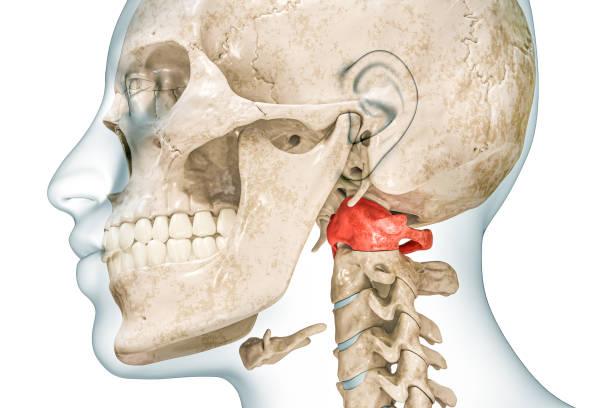
In recent years, the medical community has witnessed tremendous strides in the treatment of spinal conditions, particularly in the area of axis spine treatment. The axis spine, which consists of the second cervical vertebra, plays an essential role in the movement and rotation of the neck and head. Due to its unique structure and function, any injury or condition affecting the axis spine can lead to serious consequences, including severe neck pain, loss of mobility, and even paralysis in extreme cases. However, thanks to medical advancements, patients suffering from axis spine disorders now have more treatment options than ever before—offering hope for improved outcomes and faster recovery.
What is Axis Spine and Why Is It So Important?
Before delving into the advances in treatment, it’s essential to understand the significance of the axis spine. The axis (C2 vertebra) is the second cervical vertebra in the spine and is responsible for enabling the rotation and movement of the neck. It works in tandem with the atlas (C1 vertebra) to support the head and allow it to move freely in all directions.
The axis spine’s pivotal role in neck movement makes it vulnerable to injury, especially in cases of traumatic accidents like car crashes, falls, or sports-related injuries. Disorders such as cervical spondylosis, whiplash, and fractures can severely impact the function of the axis spine, causing debilitating pain and limiting mobility. For this reason, advances in axis spine treatment have become crucial in addressing these conditions effectively.
Cutting-Edge Treatments Revolutionizing Axis Spine Care
Thanks to medical advancements in technology, diagnosis, and surgical techniques, patients with axis spine injuries or disorders now have access to a range of highly effective treatments. These innovations not only reduce pain and improve mobility but also shorten recovery times and minimize the need for invasive surgeries. Some of the most exciting advances include:
1. Minimally Invasive Spine Surgery (MISS)
Minimally invasive spine surgery is one of the most significant breakthroughs in spine care. MISS involves smaller incisions, reduced muscle dissection, and the use of advanced imaging techniques to guide the surgeon through the procedure. This approach is particularly beneficial for treating axis spine disorders, as it can alleviate pressure on the nerves and provide targeted relief with less disruption to the surrounding tissues.
For patients with cervical fractures or herniated discs in the axis spine, MISS offers several advantages over traditional surgery, including reduced blood loss, shorter hospital stays, faster recovery, and lower risk of complications. Surgeons use specialized tools and instruments, such as small cameras and robotic assistance, to perform procedures with greater precision and accuracy.
2. Robotic-Assisted Spine Surgery
Robotic-assisted spine surgery has taken spinal surgery to the next level. By using robotic systems, surgeons can achieve an unprecedented level of precision, especially when dealing with complex areas like the axis spine. The technology allows for highly accurate placement of screws and implants, minimizing the risk of complications and improving the overall outcome of surgery.
In addition, robotic-assisted surgery can reduce the need for open surgery, allowing patients to experience faster recovery times and less postoperative discomfort. For patients suffering from axis spine conditions like fractures or degenerative diseases, robotic systems offer a cutting-edge solution that provides greater safety and efficiency.
3. Artificial Disc Replacement
When traditional treatments like physical therapy and pain medications fail to alleviate the symptoms of axis spine disorders, doctors may recommend spinal fusion or disc replacement surgery. Spinal fusion involves fusing two or more vertebrae together to stabilize the spine, but this procedure can limit mobility.
However, an exciting advancement in spinal surgery is artificial disc replacement (ADR), particularly for patients with cervical disc problems in the axis spine. In this procedure, the damaged disc is removed and replaced with an artificial disc that mimics the natural function of a healthy disc. ADR preserves motion in the spine, offering patients greater flexibility and mobility after the procedure compared to spinal fusion.
4. Stem Cell Therapy and Regenerative Medicine
Regenerative medicine, including stem cell therapy, has shown tremendous promise in treating spine-related conditions. This innovative treatment involves injecting stem cells or platelet-rich plasma (PRP) into the affected area of the spine to stimulate healing and tissue regeneration.
For patients suffering from degenerative disc disease, osteoarthritis, or cervical spine injuries, stem cell therapy can help promote natural healing by enhancing the body’s ability to repair damaged tissues. In some cases, stem cell therapy may even eliminate the need for surgery, offering patients a non-invasive solution to their spinal problems.
5. Customized Spinal Implants
Another major advancement in axis spine treatment is the development of customized spinal implants. These implants are created using 3D imaging technology to fit the unique contours of a patient’s spine. Whether the patient is undergoing surgery for a cervical fracture, degenerative disc disease, or another axis spine condition, personalized implants offer a more precise and effective solution.
Customized implants can improve the stability and function of the spine, reducing the risk of complications and enhancing long-term outcomes. These tailored devices are designed to provide optimal support for the cervical vertebrae, allowing for better alignment and more natural movement.
The Future of Axis Spine Treatment
The future of axis spine treatment is incredibly promising, with ongoing research and technological advancements constantly pushing the boundaries of what’s possible. From artificial intelligence (AI) that assists in diagnostics and treatment planning to the use of augmented reality (AR) in surgery, the next few years could see even more groundbreaking changes in how we treat axis spine conditions.
In addition, advancements in non-invasive therapies like gene therapy, neurostimulation, and biocompatible materials are expected to play a significant role in revolutionizing spinal care, offering patients faster recovery, fewer complications, and more effective long-term solutions.
Why These Advances Matter for Patients
For patients suffering from axis spine injuries or disorders, these medical advances offer a newfound sense of hope. Many individuals who once faced the prospect of debilitating pain or limited mobility can now access treatments that offer faster recovery, fewer complications, and better long-term outcomes.
Perhaps most importantly, these advances have given patients the opportunity to regain a higher quality of life—returning to the activities they love and moving freely without the constant worry of pain or disability. Whether it’s a professional athlete looking to get back on the field or a senior citizen struggling with degenerative spine disease, the medical breakthroughs in axis spine treatment provide life-changing options that restore independence and mobility.
Conclusion: Embracing a Future of Better Spine Health
The field of axis spine treatment has made remarkable progress in recent years, and these advances are changing the landscape of spinal care. With minimally invasive surgeries, robotic assistance, regenerative medicine, and customized implants, patients now have more options than ever before to find relief from pain and regain mobility.
Dr. Sinha, along with other leading spine specialists, is at the forefront of these developments, providing patients with state-of-the-art care that improves outcomes and enhances recovery. If you’re dealing with an axis spine condition, don’t let it limit your life—take advantage of the latest medical advancements and consult with a spine expert to explore your treatment options. The future of spine health is brighter than ever, and the opportunity for a pain-free, active life is within reach.
