
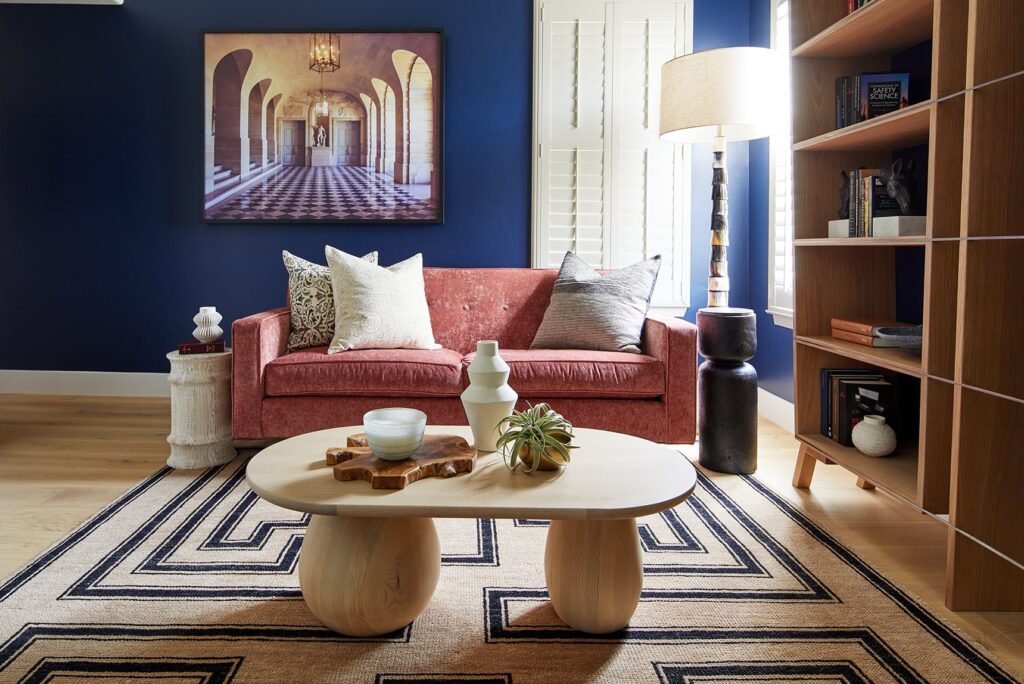
The demand for a San Francisco interior designer has grown significantly as homeowners and businesses seek modern, stylish, and functional spaces that reflect their personality and brand identity. Located in the heart of innovation and culture, San Francisco is known for its diverse architecture, from historic Victorian homes to contemporary apartments and commercial properties. Interior designers in this region blend creativity with practicality to create unique living and working environments that meet modern lifestyle needs.
Interior design is not just about decorating a space but about improving the overall experience of the environment. A professional San Francisco interior designer focuses on optimizing layout, lighting, color schemes, furniture placement, and material selection to achieve harmony and balance. Whether it is a residential project, office renovation, or luxury apartment design, expert designers bring technical knowledge and artistic vision together.
Importance of Hiring a Professional Interior Designer in San Francisco
Many people attempt DIY interior decoration, but professional expertise offers several advantages. The primary benefit of hiring a San Francisco Interior Designer San Francisco is access to specialized knowledge and industry resources. Interior designers understand spatial planning and can transform even small or awkward spaces into functional and visually appealing areas.
Another important factor is time and cost efficiency. Although hiring a designer may seem expensive initially, it can save money in the long run by avoiding costly mistakes. Designers have connections with suppliers and contractors, which helps clients obtain high-quality materials at competitive prices. They also ensure that the project is completed within the desired timeline.
Moreover, professional designers help clients stay updated with modern design trends. In a city like San Francisco, where innovation and style are highly valued, contemporary design elements such as minimalist layouts, sustainable materials, and smart home technology are increasingly popular.
Key Services Offered by a San Francisco Interior Designer
Interior designers in San Francisco provide a wide range of services to meet diverse client requirements. Residential interior design is one of the most common services. This includes designing living rooms, bedrooms, kitchens, and bathrooms according to the homeowner’s lifestyle and preferences. Designers focus on comfort, aesthetics, and usability to create a relaxing home environment.
Commercial interior design is another major area of expertise. Businesses in San Francisco require attractive office spaces that enhance productivity and create a positive impression on clients. A well-designed workplace improves employee morale and promotes efficient workflow. Designers carefully plan lighting, seating arrangements, and workspace organization to achieve these goals.
Kitchen and bathroom remodeling is also highly demanded. Modern homeowners want stylish yet functional kitchens with smart storage solutions and efficient layouts. Bathroom designs often include luxury elements such as high-quality tiles, elegant fixtures, and improved ventilation systems.
Sustainable interior design is gaining popularity in modern construction projects. Many San Francisco interior designers focus on eco-friendly materials, energy-efficient lighting, and sustainable furniture choices. This approach not only helps the environment but also reduces long-term maintenance costs.
Design Trends in San Francisco
The interior design industry in San Francisco is influenced by technology, culture, and environmental awareness. Minimalist design is one of the most popular styles, emphasizing simplicity and clean lines. This style reduces clutter and creates a calm living environment.
Another emerging trend is the integration of smart home technology. Homeowners are increasingly installing automated lighting, climate control systems, and security devices. Interior designers help incorporate these technologies seamlessly into the overall design.
Open floor plans are also common in modern homes and apartments. These layouts create a sense of space and improve natural light distribution. Large windows, glass partitions, and neutral color palettes are often used to enhance visual comfort.
Industrial-style interior design has also gained attention. This style includes exposed bricks, metal fixtures, and wooden furniture combinations that create a modern yet rustic feel. Many urban apartments in follow this design trend due to its contemporary appearance.
Choosing the Right San Francisco Interior Designer
Selecting the right professional is essential for achieving desired results. Clients should review the designer’s portfolio to evaluate previous work quality. Experience is another important factor because experienced designers understand project challenges and can provide better solutions.
Communication is also crucial when hiring an interior designer. The client should clearly explain preferences, budget limitations, and design expectations. A good San Francisco interior designer listens carefully and offers suggestions that align with the client’s vision.
Budget planning is an important part of the design process. Interior projects can vary significantly in cost depending on materials, labor, and design complexity. Professional designers help create realistic budgets and avoid unnecessary expenses.
Role of Technology in Modern Interior Design
Technology has revolutionized the interior design industry. Many designers now use 3D modeling and virtual visualization tools to show clients how the final space will look before construction begins. This helps clients make informed decisions and reduces design errors.
Project management software is also widely used to track progress and coordinate between contractors, suppliers, and clients. Digital communication tools make it easier to discuss design updates and modifications.
Challenges Faced by Interior Designers
Working as a San Francisco interior designer comes with certain challenges. One of the main difficulties is managing client expectations. Some clients may have unrealistic design ideas or budget limitations that are hard to balance.
Space limitations are another common challenge, especially in urban apartments. Designers must use innovative solutions to maximize functionality without compromising aesthetics.
Material availability and cost fluctuations can also affect project timelines. Designers must stay updated about market trends and supplier conditions to ensure smooth project execution.
Future of Interior Design in San Francisco
The future of interior design looks promising as more people invest in home improvement and commercial renovation. Sustainable architecture and smart technology integration will continue to influence design decisions.
Customization is expected to become more popular as clients prefer personalized spaces that reflect their lifestyle and personality. Interior designers will likely use advanced artificial intelligence tools to enhance design accuracy and efficiency.
In conclusion, a professional San Francisco interior designer plays an essential role in creating beautiful, functional, and modern spaces. From residential homes to commercial offices, interior design improves quality of life and enhances property value. As design trends evolve, the demand for skilled designers in will continue to grow, making interior design one of the most important aspects of modern construction and lifestyle development.