
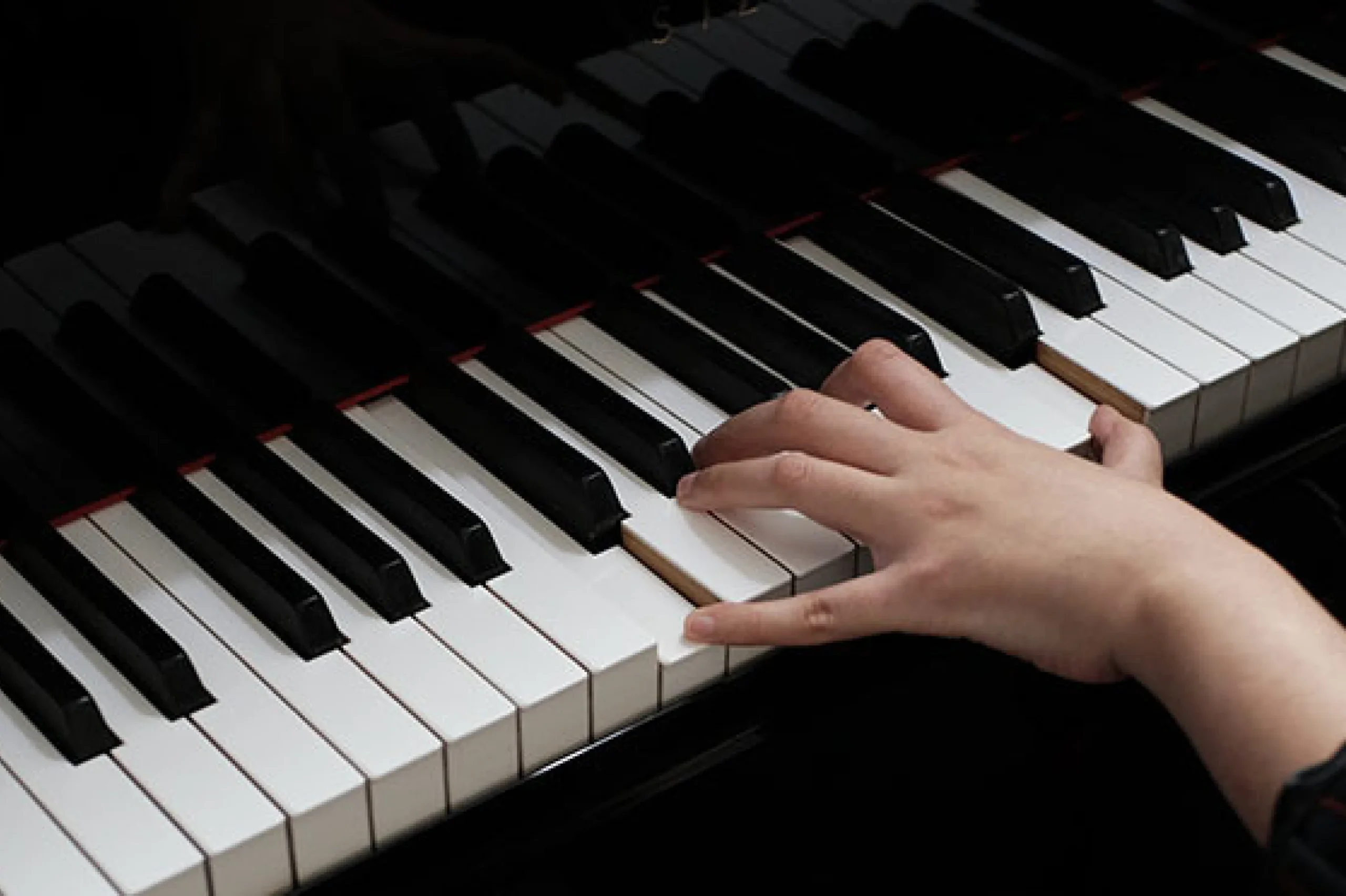
Piano lessons have become one of the most popular ways to start learning music, whether for children or adults. The piano is considered one of the most versatile musical instruments because it allows learners to understand melody, harmony, and rhythm simultaneously. Many people choose piano lessons not only to pursue professional music careers but also to enjoy music as a relaxing hobby. With the advancement of technology, learning piano has become easier through online tutorials, mobile apps, and traditional music schools.
Benefits of Learning Piano Through Professional Lessons
Taking structured piano lessons offers many advantages compared to learning alone. One of the biggest benefits is proper guidance from experienced teachers. A good piano instructor helps students develop correct hand posture, finger placement, and playing techniques. Without proper guidance, beginners may develop bad habits that can be difficult to correct later.
Another important advantage of piano lessons is improved cognitive development. Learning to play the piano requires concentration, memory, and coordination between hands and eyes. Many studies suggest that music education enhances brain function, especially in children. Piano practice helps improve problem-solving skills and strengthens emotional expression through music.
Piano lessons also promote discipline and patience. Learning an instrument is not an overnight process. Students must practice regularly to master scales, chords, and musical pieces. This consistent practice teaches valuable life skills such as dedication and time management.
Types of Piano Lessons Available Today
Modern learners can choose from several types of piano lessons depending on their preferences and lifestyle. Traditional classroom piano lessons remain popular among students who prefer face-to-face interaction with teachers. In these classes, students usually follow a structured curriculum that includes music theory, practical exercises, and performance training.
Online piano lessons have also gained popularity, especially after the growth of digital learning platforms. Online lessons offer flexibility because students can learn at their own pace and schedule. Video tutorials, live classes, and interactive software help beginners understand piano basics without attending physical classes.
Group piano lessons are another option for beginners who want a more social learning environment. These lessons are usually more affordable than private lessons. Students can learn by observing others, which can help improve motivation and confidence.
Private piano lessons are considered the most effective for personalized learning. In private classes, the teacher focuses entirely on one student, correcting mistakes immediately and designing lessons according to the learner’s progress.
How to Choose the Right Piano Teacher
Selecting the right teacher is one of the most important steps in starting piano lessons. Beginners should look for teachers with proper musical training and teaching experience. A good piano teacher should be patient, encouraging, and able to explain musical concepts in simple terms.
Students should also consider the teaching style of the instructor. Some teachers focus more on classical music, while others prefer modern or popular music styles. Choosing a teacher that matches the student’s musical interest can make learning more enjoyable.
Another important factor is lesson cost and schedule flexibility. Piano lesson fees vary depending on the teacher’s experience, location, and lesson duration. Students should select a program that fits their budget and time availability.
Essential Skills Learned in Piano Lessons
Piano lessons teach several fundamental musical skills. One of the first skills beginners learn is reading musical notation. Understanding notes, staff lines, and rhythm symbols is essential for playing songs accurately.
Finger strength and agility are also developed during piano practice. Exercises such as scales and arpeggios help improve finger movement and coordination.
Ear training is another important part of piano education. Students learn to recognize pitch, tone, and harmony by listening carefully to music.
Performance skills are also developed through piano lessons. Many students are encouraged to play in front of others during recitals or practice performances. This helps build confidence and reduces stage anxiety.
Piano Lessons for Children and Adults
Piano lessons are suitable for learners of all ages. Children who start piano lessons at an early age often develop strong musical foundations. Music education during childhood can also improve academic performance and creativity.
For adults, Singing Lessons Westlake Village CA provide a great way to relieve stress after busy work schedules. Many adults start learning piano as a hobby rather than pursuing professional music careers. Adult learners may progress faster because they usually have better focus and discipline.
There is no age limit for starting piano lessons. The key factor is motivation and regular practice.
Common Challenges in Learning Piano
Beginners often face several challenges when learning piano. One of the most common problems is finger coordination. Playing with both hands simultaneously can be difficult at first, but consistent practice helps overcome this issue.
Another challenge is maintaining regular practice schedules. Many students start enthusiastically but lose motivation over time. Setting small learning goals and tracking progress can help maintain interest.
Reading music sheets can also be confusing for new learners. However, with continuous practice and teacher guidance, reading musical notation becomes easier.
Role of Technology in Modern Piano Lessons
Technology has transformed the way people learn piano today. Digital keyboards allow beginners to practice without buying expensive acoustic pianos. Many keyboards also include built-in learning features that help students follow lessons.
Mobile applications provide interactive piano learning experiences. These apps often include virtual keyboards, practice exercises, and song tutorials. Some apps even use artificial intelligence to analyze playing accuracy.
Online video platforms also offer thousands of free piano tutorials. While free resources are helpful, professional lessons are still recommended for serious learners.
Tips for Successful Piano Practice
Regular practice is the most important factor in mastering piano skills. Beginners should practice at least 20 to 30 minutes daily. Short but consistent practice sessions are more effective than long, irregular sessions.
Students should start with simple songs before attempting complex compositions. Mastering basic techniques first will make advanced learning easier.
Recording practice sessions can help students identify mistakes. Listening to recordings allows learners to improve timing and accuracy.
Staying patient is also essential. Learning piano is a gradual process, and improvement comes with continuous effort.
Conclusion
Piano lessons offer a wonderful opportunity to explore the world of music while developing valuable life skills. Whether learning for professional purposes or personal enjoyment, piano education provides emotional, cognitive, and creative benefits. With the availability of traditional and online learning options, anyone can start piano lessons regardless of age or location.
Choosing the right teacher, practicing regularly, and staying motivated are the keys to success in piano learning. As technology continues to evolve, piano education will become even more accessible to music enthusiasts around the world. Learning piano is not just about playing notes; it is about expressing emotions and enjoying the beauty of music through disciplined practice and dedication.