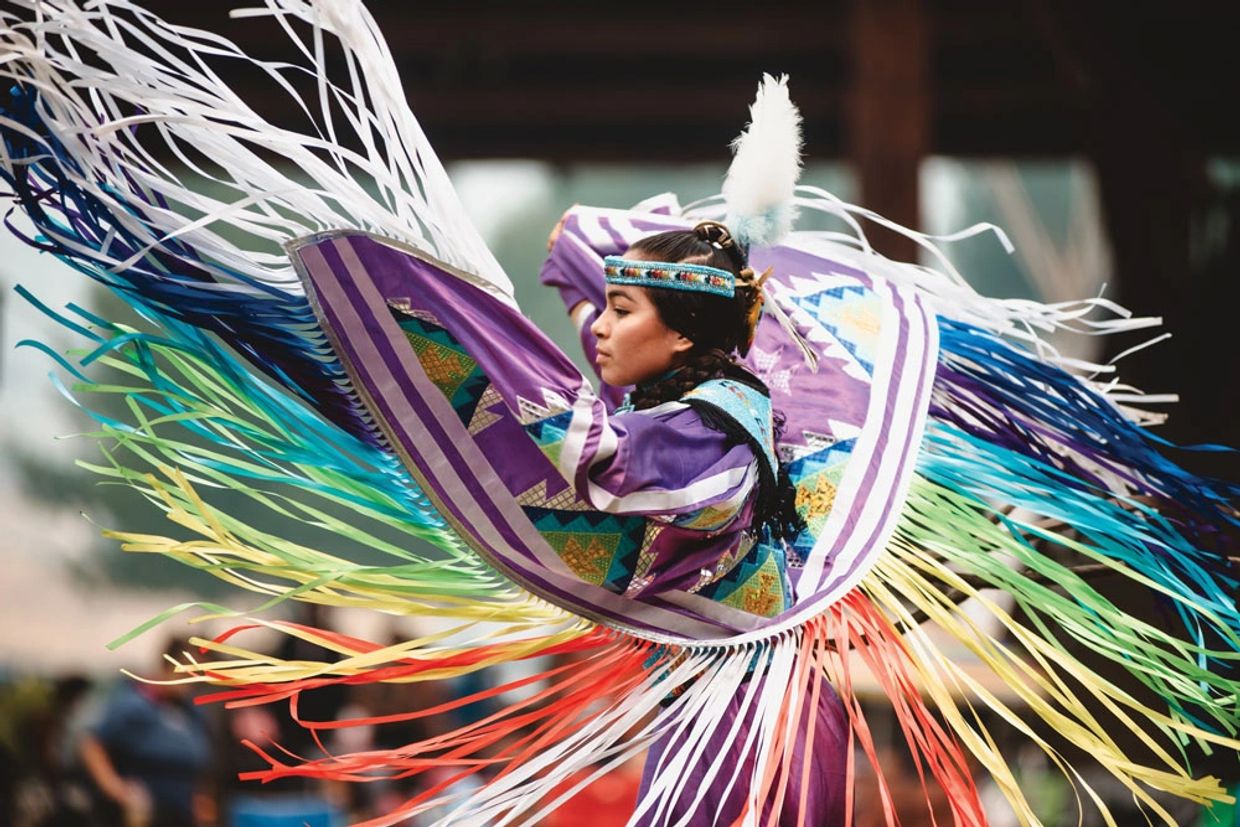
As you explore the intricate beadwork, woven baskets, and carved wooden figures of Native American craft traditions, you’ll notice a recurring theme: nature. From the materials used to the symbols and patterns incorporated, the natural world plays a starring role. But why? What significance do certain plants, animals, and landscapes hold for these indigenous artists? As you begin to unravel the threads of meaning behind these crafts, you’ll discover a rich tapestry of spiritual connection, cultural heritage, and environmental reverence that will leave you wondering: what other secrets do these natural motifs hold, and how do they shape the very essence of Native American art?
Natural Materials and Their Significance
Many Native American craft traditions rely on natural materials, which hold significant cultural and spiritual meaning.
You’ll find that these materials are often carefully selected and harvested to ensure their integrity and authenticity. For instance, Native Porcupine Guard Hair weavers use cotton, wool, and yucca fibers to create intricate baskets and textiles.
These fibers are chosen for their strength, durability, and flexibility, reflecting the importance of resilience in Native American cultures.
When you look at Native American crafts, you’ll notice the use of natural dyes, such as plant-based pigments, berry juice, and clay.
These dyes not only add color but also infuse the crafts with symbolic meaning. Turquoise, for example, is often associated with protection, wisdom, and good fortune.
You’ll also find that Native American craftsmen value the imperfections and unique characteristics of natural materials, embracing the beauty of the handmade and the story behind each piece.
As you explore Native American crafts, you’ll discover the deep connection between the natural world and the cultural heritage of these communities.
The use of natural materials isn’t just about aesthetics; it’s about honoring the land, respecting traditions, and preserving cultural identity.
The Spiritual Realm of Animals
In Native American craft traditions, the natural world extends beyond materials to encompass the spiritual realm of animals, which plays a vital role in the cultural heritage of these communities.
You’ll find that animals are woven into the fabric of daily life, serving as messengers, teachers, and guides. In many Native American cultures, animals are believed to possess spiritual power, offering wisdom, protection, and healing.
As a result, animal imagery and symbolism are integral components of craft traditions, from intricate beadwork to vibrant paintings.
When you examine Native American art, you’ll notice that certain animals are revered for their unique qualities.
The eagle, for instance, represents strength, courage, and spiritual connection, while the bear embodies healing, protection, and introspection.
By incorporating these animals into their crafts, Native American artists honor their sacred connection to the natural world and pay tribute to the animals that have guided their ancestors.
Through these beautiful creations, you’re invited to explore the rich spiritual realm of Native American culture, where animals serve as powerful symbols of wisdom, resilience, and community.
Landscapes and Geometric Patterns
Vast expanses of open plains, majestic mountain ranges, and serene riverscapes have long inspired Native American artists, who cleverly weave these natural landscapes into their crafts.
You see this in the intricate patterns and designs that adorn pottery, textiles, and jewelry. The undulating curves of a river might inspire a ceramic vessel’s shape, while the geometric patterns found in rock formations could influence the design of a woven blanket.
As you explore Native American craft traditions, you’ll notice that landscapes and geometric patterns are intertwined.
The angular lines and shapes found in natural rock formations, for instance, are often mirrored in the geometric patterns that decorate Native American art. This connection to the natural world is deliberate, as Native American artists believe that their crafts should reflect and honor the land that sustains them.
Honoring the Four Directions
You’ll often find that Native American crafts, particularly those used in ceremonies and rituals, incorporate symbols and patterns that represent the Four Directions: East, South, West, and North.
These directions hold significant spiritual meaning, representing different aspects of life, such as birth, growth, decay, and renewal. Each direction is associated with specific animals, colors, and elements, which are often depicted in craftwork.
In many Native American cultures, the Four Directions are considered sacred and are honored through rituals and ceremonies.
Crafts may feature specific patterns or symbols that represent each direction, such as the eagle for the East, the mouse for the North, or the snake for the South. You might see these symbols woven into blankets, carved into wooden masks, or painted onto pottery.
By incorporating these symbols, Native American craftspeople acknowledge the interconnectedness of all things and the importance of living in harmony with nature.
Honoring the Four Directions is a way for Native American communities to connect with their ancestors, the land, and the spirits that inhabit it.
Through their crafts, they express gratitude for the blessings they receive from each direction, recognizing the balance and harmony that these directions bring to their lives.
Nature-Inspired Symbolism and Storytelling
Native American craft traditions overflow with nature-inspired symbolism, echoing the deep connection between indigenous people and the land.
You’ll find intricate patterns of leaves, feathers, and animals woven into textiles, carved into wood, or molded into ceramics. Each motif tells a story, conveying spiritual, cultural, or historical significance. The bear, for instance, represents strength and protection, while the butterfly symbolizes transformation and renewal.
As you delve deeper into these craft traditions, you’ll discover that nature-inspired symbolism is intertwined with storytelling.
In many Native American cultures, stories are passed down through generations, sharing wisdom, myths, and historical events. These stories often feature animals, plants, and natural elements as main characters or metaphors.
The storytelling tradition is deeply rooted in the connection between humans and the natural world, emphasizing the importance of respecting and preserving the land and its inhabitants.
Conclusion
As you explore Native American craft traditions, remember that nature is more than just a theme – it’s a way of life. The land, animals, and natural materials hold deep spiritual significance, connecting artists to their ancestors and the world around them. By honoring the natural world, Native American artists remind us of the importance of respecting and preserving our environment, and the beauty that can be created when we live in harmony with nature.