
The precious metals market is known for its constant movement, influenced by global economic events, investor behavior, and supply-demand dynamics. Among the key players in this market, US Gold and Coin represents a segment of businesses dealing with gold and coin investments. Understanding market value fluctuations in this sector is essential for both new and experienced investors. Price changes can happen within minutes, making it important to analyze the factors behind these movements.
Gold and coin investments are often considered safe-haven assets. During periods of economic uncertainty, investors tend to shift their funds toward precious metals because they maintain value better than many other assets. However, even gold and coin markets are not immune to volatility. Multiple internal and external forces contribute to price fluctuations, shaping the overall market behavior.
One of the primary reasons for market value fluctuations is global economic stability. When economies face inflation or recession, the demand for US Gold and Coin increases. Investors purchase gold as a protection against currency depreciation. If inflation rises, the purchasing power of money decreases, encouraging people to invest in tangible assets such as gold coins and bullion. As demand increases, prices usually rise as well.
Interest rates also play a significant role in determining market values. Central banks adjust interest rates to control economic growth and inflation. When interest rates are low, holding gold becomes more attractive because traditional savings accounts and bonds provide lower returns. Conversely, when interest rates rise, investors may move away from gold toward interest-bearing assets. This shift in investment behavior can lead to downward pressure on gold prices.
Another factor affecting market fluctuations is geopolitical uncertainty. Wars, political conflicts, and international tensions often push investors toward safe investments. Gold is widely recognized as a protective asset during crises. When global uncertainty increases, demand for gold coins and bars usually surges, resulting in price appreciation. On the other hand, during peaceful and stable periods, the demand may decrease, causing market correction.
Supply and mining production also influence market prices. Gold is a finite resource, and mining operations require significant time and investment. If mining output declines due to environmental regulations, labor issues, or operational challenges, the available supply decreases. Limited supply combined with steady or growing demand leads to higher prices in the market.
The performance of the US dollar is another crucial determinant of precious metal prices. Since gold is typically priced in US dollars in international markets, the strength of the currency directly affects affordability. When the dollar weakens, gold becomes cheaper for foreign buyers, increasing global demand. As a result, prices tend to rise. When the dollar strengthens, gold prices may experience downward pressure.
Investor psychology and market speculation also contribute to fluctuations. Financial markets are not driven solely by economic fundamentals; human behavior plays an important role. If investors believe that gold prices will rise in the future, they may start buying more gold in anticipation. This speculative buying can create short-term price spikes even without major economic changes.
Technological advancements and industrial demand further influence the precious metals market. Although gold is widely used for investment and jewelry, it also has industrial applications in electronics and medical technology. Increased technological production can lead to higher demand for gold components, contributing to price stability or growth.
Seasonal trends sometimes affect the value of gold and coins. In many cultures, gold jewelry purchases increase during wedding seasons and festivals. This cultural demand creates predictable market patterns in certain regions. Dealers associated with companies like US Gold and Coin may observe these seasonal trends when planning inventory and pricing strategies.
Government policies and regulations are also important. Import-export laws, taxation rules, and trading regulations can directly influence market accessibility. Higher taxes on gold transactions may reduce buying activity, while favorable policies can encourage investment. Central bank gold reserves and purchasing programs also affect global market sentiment.
Inflation expectations shape long-term investment decisions. If people expect inflation to rise in the future, they are more likely to buy gold as a protective investment. This expectation alone can drive prices upward even before actual inflation occurs.
The role of market liquidity cannot be ignored. Highly liquid markets allow investors to buy and sell gold quickly without significant price distortion. However, during financial crises, liquidity may shrink, leading to sharper price movements.
For businesses like US Gold and Coin, understanding these fluctuations is crucial for customer service and pricing accuracy. Such companies often monitor international bullion indexes, currency exchange movements, and economic reports to adjust their market offerings.
Risk management is another important aspect of investing in gold and coins. Investors are often advised to diversify their portfolios rather than relying solely on precious metals. Although gold is considered a stable investment compared to many assets, it still carries market risk.
Long-term investment strategies are usually more effective in the precious metals market. Short-term trading can be influenced by temporary market noise, while long-term holding tends to reduce the impact of daily volatility. Many investors treat gold and coins as wealth preservation tools rather than quick profit opportunities.
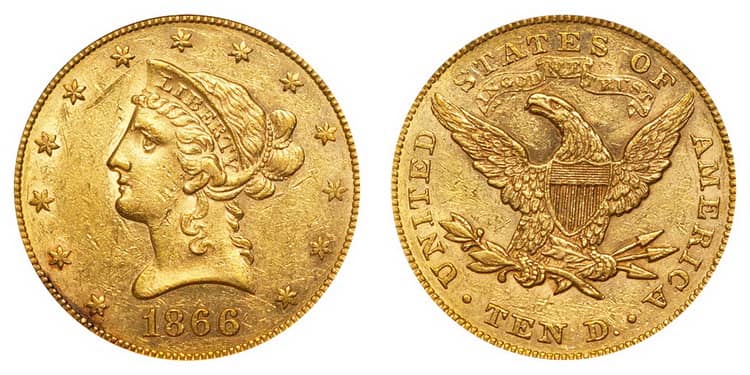
Collectors also contribute to coin market value fluctuations. Rare coins can appreciate significantly due to historical importance, limited minting, or collector demand. The numismatic value of coins sometimes exceeds their metal content value, creating a specialized investment category.
Economic data releases often trigger market reactions. Employment reports, GDP growth figures, and inflation statistics can influence investor confidence. Positive economic news may reduce the demand for safe-haven assets, while negative news can increase it.
In modern times, digital trading platforms have made it easier to participate in the gold market. Online price tracking and mobile trading apps allow investors to monitor market movements in real time. This accessibility has increased market participation but also contributed to faster price reactions.
In conclusion, market value fluctuations in the gold and coin industry are shaped by a complex combination of economic, political, and psychological factors. Organizations such as US Gold and Coin operate within this dynamic environment, helping investors navigate price volatility. Understanding global economic conditions, interest rate trends, currency strength, and supply-demand forces is essential for making informed investment decisions. While price movements are inevitable, knowledge and strategic planning can help investors manage risk and maximize long-term value in the precious metals market.
