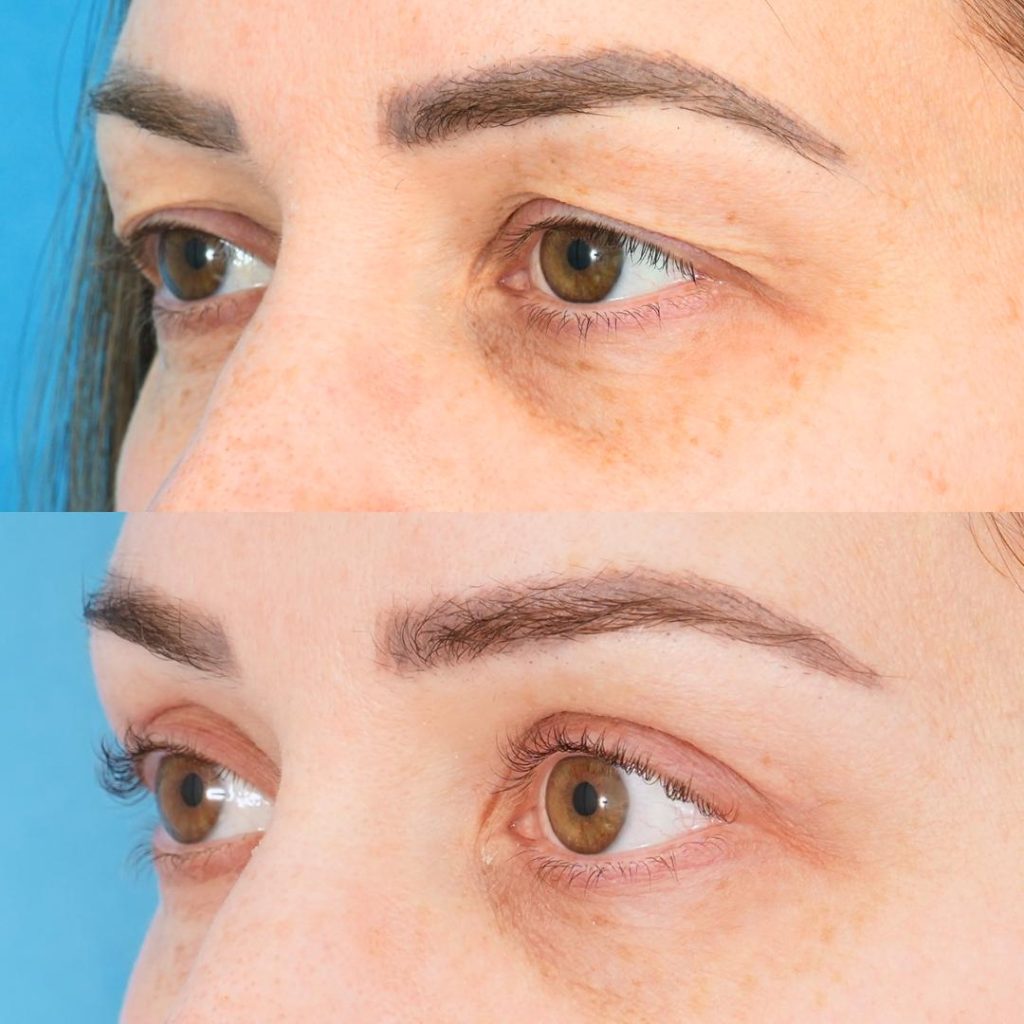
Introduction to Blepharoplasty
Eyelid surgery, or blepharoplasty, has become a cornerstone in the realm of cosmetic enhancements, offering a blend of beauty and functionality that appeals to a wide audience. This procedure meticulously addresses concerns around the eyes, such as sagging skin, bulging fat pockets, and creases that accumulate over time. By refining the eyelid structure, blepharoplasty not only rejuvenates the facial expression but also tackles practical issues like impaired sight from overhanging lids. In an era where first impressions matter immensely, this surgery empowers individuals to present a more vibrant and rested version of themselves. Drawing from the latest advancements in plastic surgery, this guide explores every facet of blepharoplasty, including its varieties, perks, execution process, aftercare strategies, possible complications of blepharoplasty, and the rising popularity of blepharoplasty in Mashhad. With a focus on SEO-friendly insights and fresh perspectives, you'll gain the knowledge needed to navigate this transformative journey confidently.
Defining Blepharoplasty and Its Significance
Blepharoplasty is essentially a refined surgical intervention that targets the eyelids to eliminate surplus tissues that contribute to an aged or weary look. It encompasses the careful excision of loose skin, repositioning of fat deposits, and tightening of underlying muscles. The outcome is a smoother, more alert eye area that harmonizes with the rest of the face. Eyes, often dubbed the windows to the soul, play a pivotal role in non-verbal communication, and enhancing them can dramatically alter one's overall demeanor. Global trends indicate a surge in demand for this procedure, with millions opting for it yearly due to its efficacy and relatively quick recovery. The appeal lies in its dual nature: aesthetic improvement for those seeking youthfulness and medical relief for vision obstructions. Factors like heredity, sun exposure, and lifestyle accelerate eyelid changes, making blepharoplasty a proactive choice. When paired with complementary treatments such as dermal fillers or laser resurfacing, the results can be even more profound, creating a holistic facial revival.
Key Motivations for Choosing Blepharoplasty
People pursue blepharoplasty for a multitude of reasons, each tailored to personal circumstances. Primarily, it combats ptosis, where eyelids droop unnaturally, often inherited or age-induced, leading to visual field restrictions. Another common driver is the formation of under-eye bags, resulting from fat herniation or fluid retention, which imparts a perpetually exhausted appearance. Fine lines and crow's feet around the orbits exacerbate this, prompting individuals to seek smoothing effects. Excess upper lid skin can create a hooded effect, weighing down the eyes and causing discomfort. In therapeutic scenarios, the surgery alleviates eyesight hindrances, qualifying it for insurance coverage in some cases. Beyond physical benefits, the psychological uplift is notable—patients report heightened self-assurance in social and professional settings. In regions like the Middle East, where expressive eyes are culturally valued, blepharoplasty aligns with beauty ideals. Consulting a certified plastic surgeon ensures alignment with realistic expectations, factoring in skin type, ethnicity, and health status.
Exploring the Various Forms of Blepharoplasty
Blepharoplasty manifests in distinct forms, primarily upper and lower lid variants, each addressing specific anatomical challenges. Upper blepharoplasty hones in on redundant skin and fat above the eye, ideal for those with heavy, drooping lids. The technique involves a subtle incision within the lid fold, allowing scar concealment, followed by tissue removal and closure with fine sutures. Duration typically spans 45 minutes to an hour per eye, with local anesthesia sufficing for most. Lower blepharoplasty, conversely, targets puffiness and hollows beneath the eyes, employing either an external cut near the lashes or an internal transconjunctival approach to avoid visible marks. Fat is redistributed to fill depressions, and skin is tightened for a seamless contour. A full blepharoplasty combines both for comprehensive rejuvenation. Emerging non-invasive alternatives, like plasma pen therapy or ultrasound-based tightening, cater to mild cases, though they lack the permanence of traditional methods. Ethnic-specific adaptations, such as creating a supratarsal fold in Asian eyelids, highlight the procedure's versatility.
The Advantages of Undergoing Blepharoplasty
The merits of blepharoplasty extend far beyond superficial changes. Aesthetically, it restores a youthful gaze, diminishing signs of fatigue and enhancing symmetry. Functionally, it clears visual pathways, reducing strain-related headaches and improving peripheral vision. Longevity is a standout feature—results endure for decades, outlasting temporary fixes like creams or injectables. The minimally invasive nature translates to shorter downtime, with many resuming work within a week. Psychological gains include bolstered confidence, often leading to better interpersonal dynamics. Cost-effectiveness shines when viewed long-term, especially compared to ongoing non-surgical maintenance. Integration with other facial procedures, like facelifts, amplifies overall harmony. Safety profiles are high with experienced practitioners, and advancements in anesthesia minimize discomfort. For professionals in visually demanding fields, such as acting or public speaking, it's a career booster. Ultimately, blepharoplasty empowers personal reinvention, aligning inner vitality with outer appearance.
Step-by-Step Breakdown of the Blepharoplasty Process
Embarking on blepharoplasty involves a structured pathway. Initial consultations involve detailed assessments, including medical history reviews and photographic analyses to map out customized plans. Pre-operative preparations might include blood tests, medication adjustments, and lifestyle tweaks like smoking cessation. On surgery day, anesthesia is administered—local with sedation for comfort. Incisions are precisely placed: in the crease for upper lids and sub-lash or internal for lower. Excess elements are excised or repositioned, with meticulous hemostasis to prevent bleeding. Closure uses dissolvable stitches or adhesives. Post-procedure, patients monitor in recovery, receiving ice packs and ointments. Follow-ups occur at intervals to track healing, remove sutures if needed, and address queries. The entire timeline from consult to full recovery spans 1-3 months, with swelling peaking early and subsiding gradually. Modern tools like 3D imaging aid in visualizing outcomes, enhancing patient satisfaction.
Understanding Complications of Blepharoplasty
While blepharoplasty boasts a strong safety record, awareness of complications of blepharoplasty is essential. Transient effects like edema and ecchymosis are standard, resolving with time and conservative management. Infections, though uncommon, demand prompt antibiotic intervention. Ocular dryness may arise temporarily, mitigated by lubricating drops. Rare asymmetries or over-corrections necessitate revisions. Factors elevating risks include uncontrolled hypertension or anticoagulant use. Scarring, minimal in skilled hands, can hypertrophy in prone individuals. Vision alterations, such as diplopia, are exceedingly rare but monitored. Preventive measures encompass sterile techniques and patient compliance. Research underscores a complication rate below 2% in accredited facilities, reinforcing its reliability. Informed consent discussions cover these, fostering trust.
Post-Surgical Protocols for Blepharoplasty
Regimens include positional elevations, cryotherapy, abstentions. Nutritional bolstering, solar shields. Anomalies prompt consultations. Progressive resumptions.
The Appeal of Blepharoplasty in Mashhad
Blepharoplasty in Mashhad is gaining traction as a premier choice, thanks to the city's robust healthcare infrastructure. Facilities like specialized eye clinics offer cutting-edge equipment and multilingual staff. Local surgeons, often internationally trained, deliver outcomes rivaling global standards at fractioned costs. The cultural hub status adds allure, blending treatment with spiritual visits. Patient testimonials highlight personalized care and swift recoveries. Accessibility via major transport links facilitates medical tourism. Regulatory oversight ensures ethical practices.